Rainforest Wild Adventure EAST
Animals & Zones
Journey through immersive habitats inspired by Africa’s rainforests and islands, where dense forests, rugged ravines and vibrant waterways reveal extraordinary wildlife, unique biodiversity, and the delicate balance between animals and their ever-changing environments.
Zones in Rainforest Wild Adventure EAST
Animals in Rainforest Wild Adventure EAST
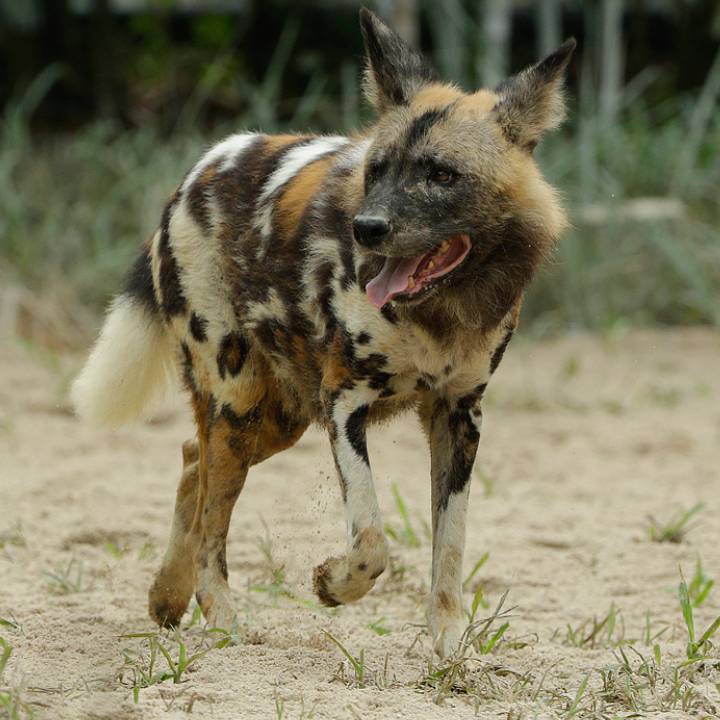
African Painted Dog
Highly endangered social carnivores known for their mottled coats, exceptional hunting success, and strong bonds in packs.
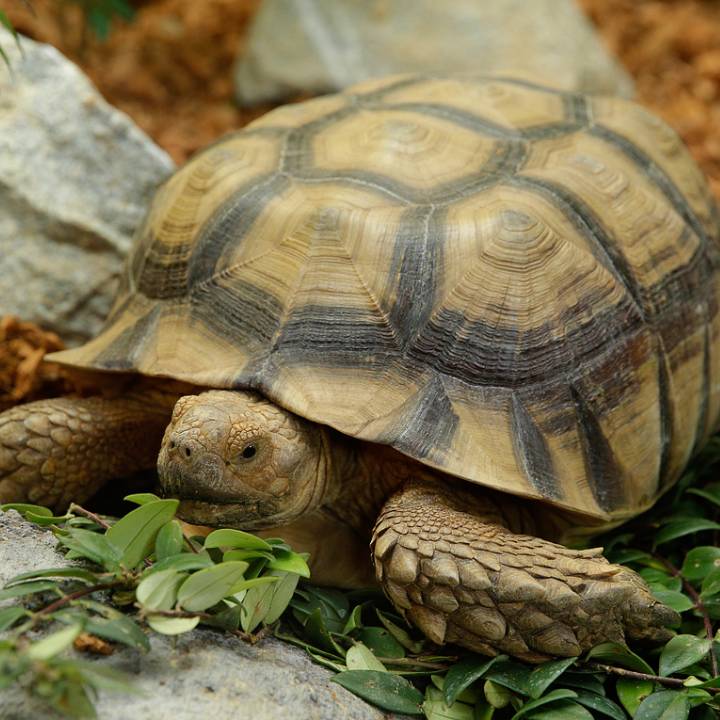
African Spurred Tortoise
The world’s third-largest tortoise species and Africa’s largest mainland tortoise, capable of weighing up to 90kg.
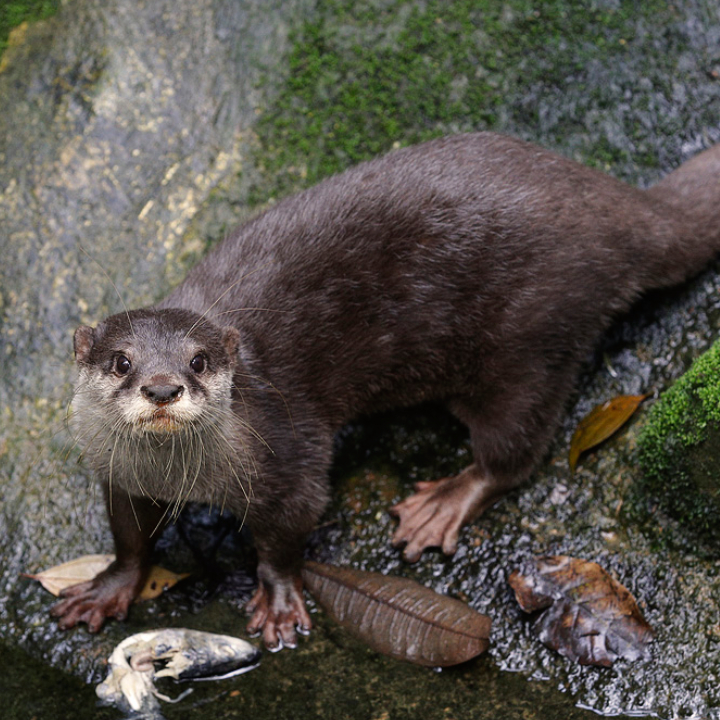
Asian Small-clawed Otter
Living in close-knit social groups of up to 20, these otters communicate through squeals, chirps, screams and barks, and use scent marking to communicate and mark territory.
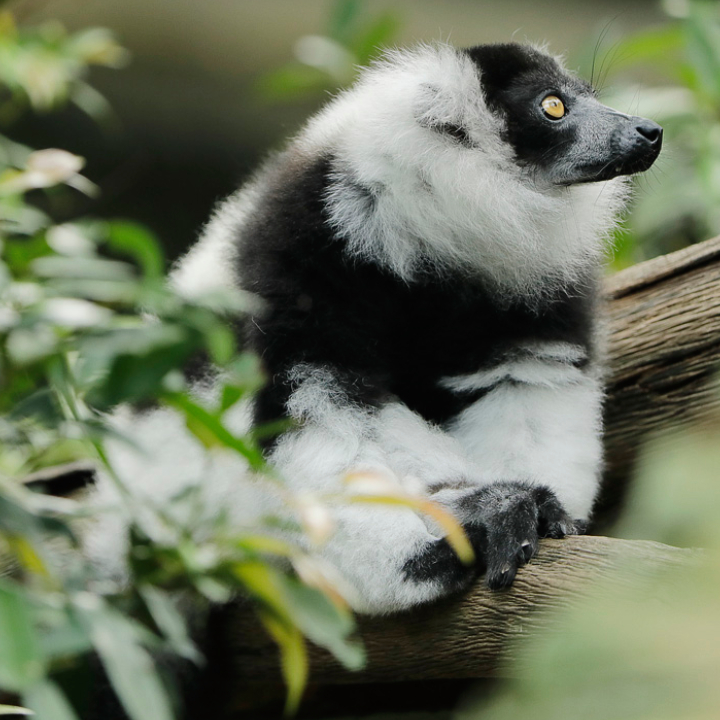
Black and White Ruffed Lemur
Highly frugivorous, ruffed lemurs hang from their feet to reach ripe fruit, a behaviour more pronounced than in other lemur species.
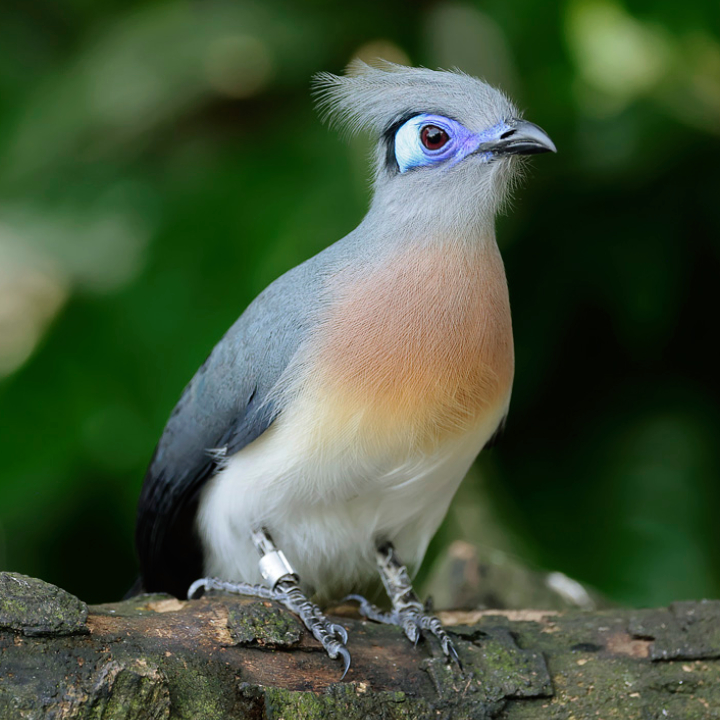
Crested Coua
Part of the cuckoo family, crested couas are solitary or found in pairs, with both males and females sharing parental care.
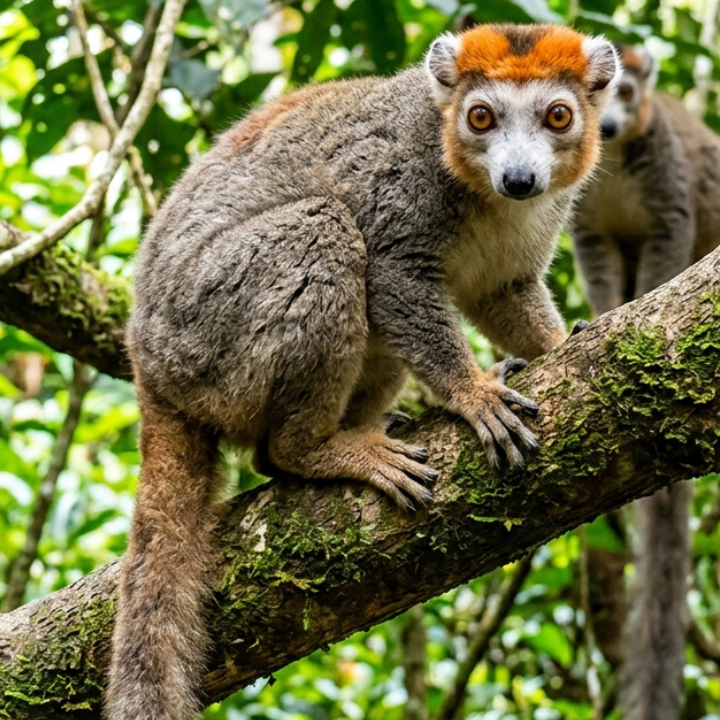
Crowned Lemur
Their specialised lower incisors form a “tooth comb,” used for grooming and strengthening social bonds.
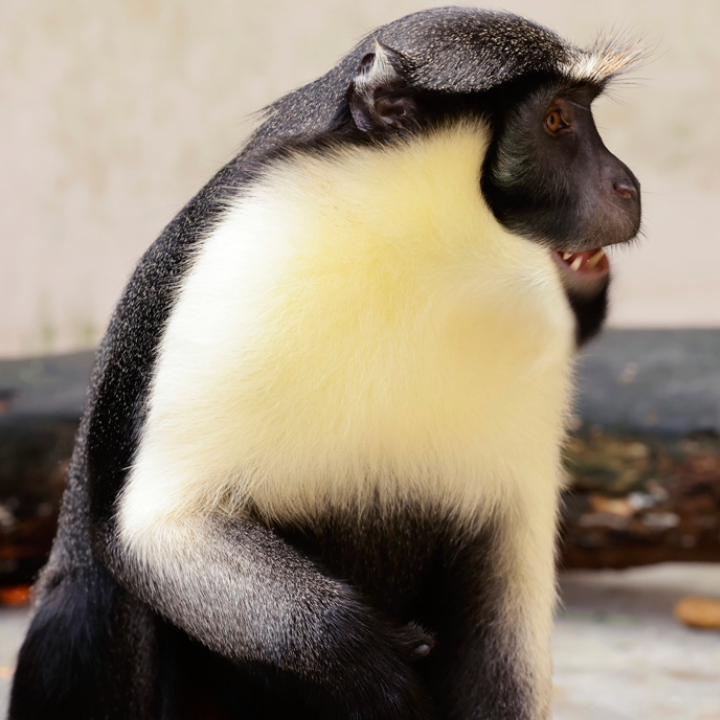
Diana Monkey
Highly vocal, endangered primates with specific alarm calls for different predators - other species sometimes interpret these calls to escape danger.
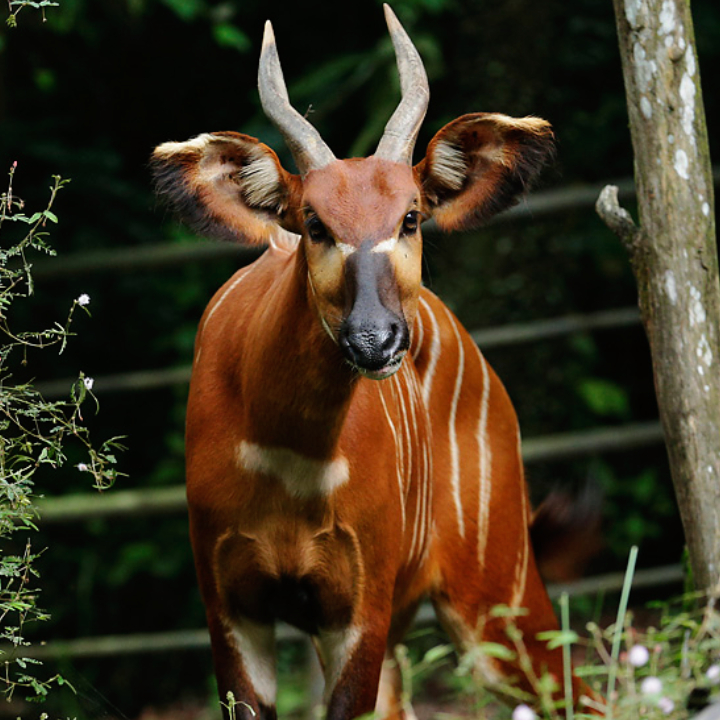
Eastern Bongo
The largest and heaviest forest antelope, with fewer than 80 individuals estimated to remain in the wild.
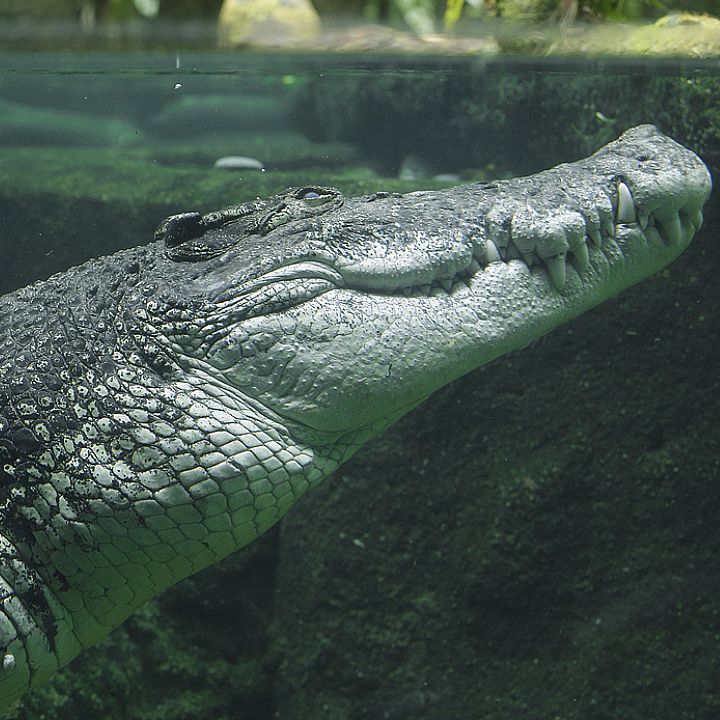
Estuarine crocodile
Besides being the largest living reptile, reaching up to 6m in length and 1500kg in weight, it also has the strongest bite of any living animal.
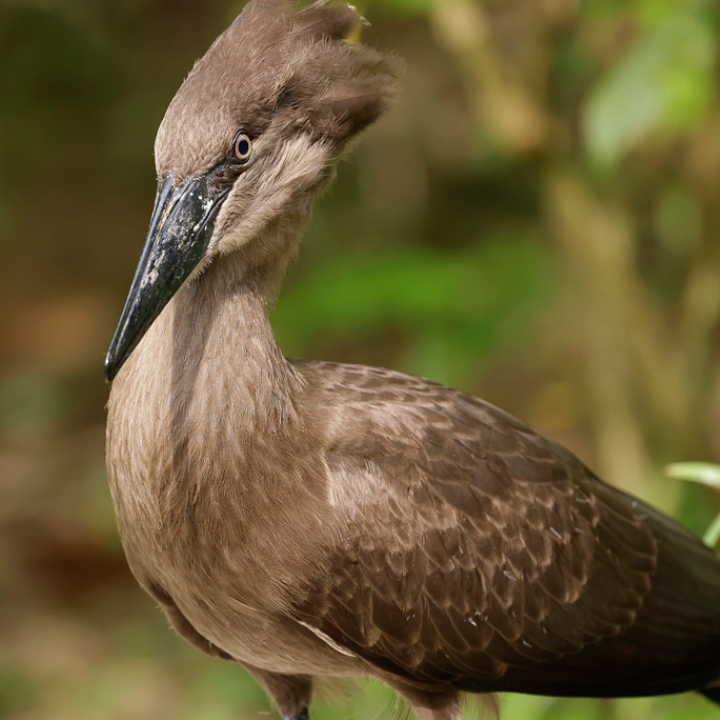
Hamerkop
Named for their distinctive hammer-shaped heads, they build the largest domed nests of any bird, using vegetation and often decorating them with colourful materials.
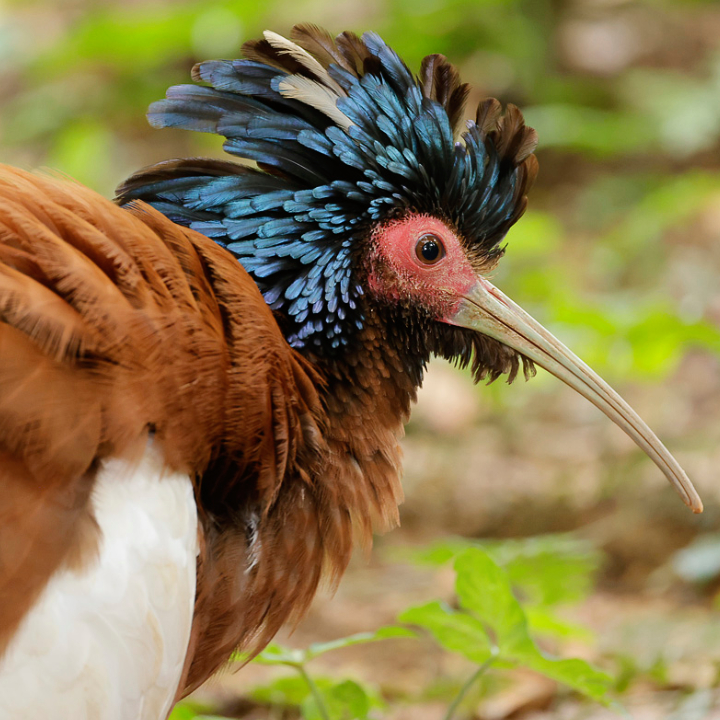
Madagascar Crested Ibis
While its striking white wings are most visible in flight, this bird actually spends most of its time foraging on the forest floor for insects and small prey.
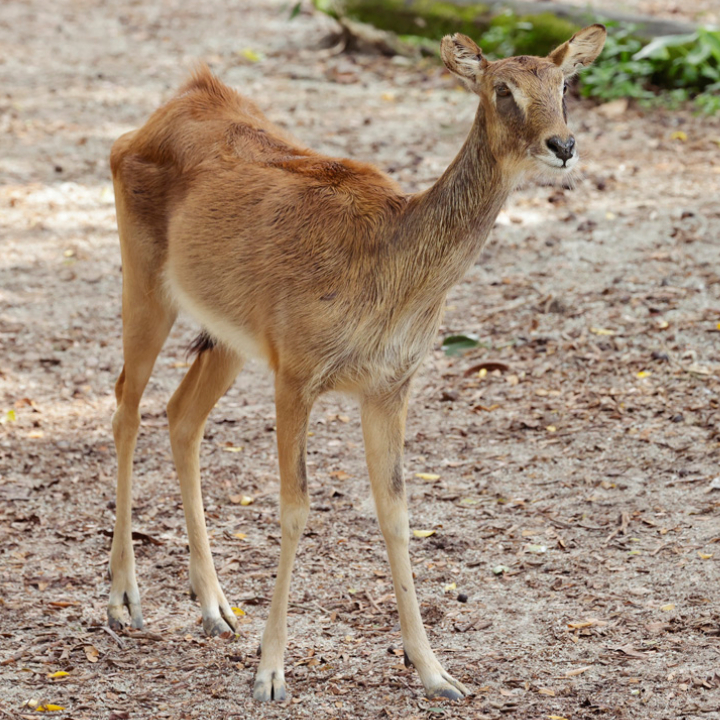
Nile Lechwe
Adapted to seasonal flooding, these aquatic antelope are excellent swimmers, with long, slender hooves that help them move easily through swampy, muddy habitats.
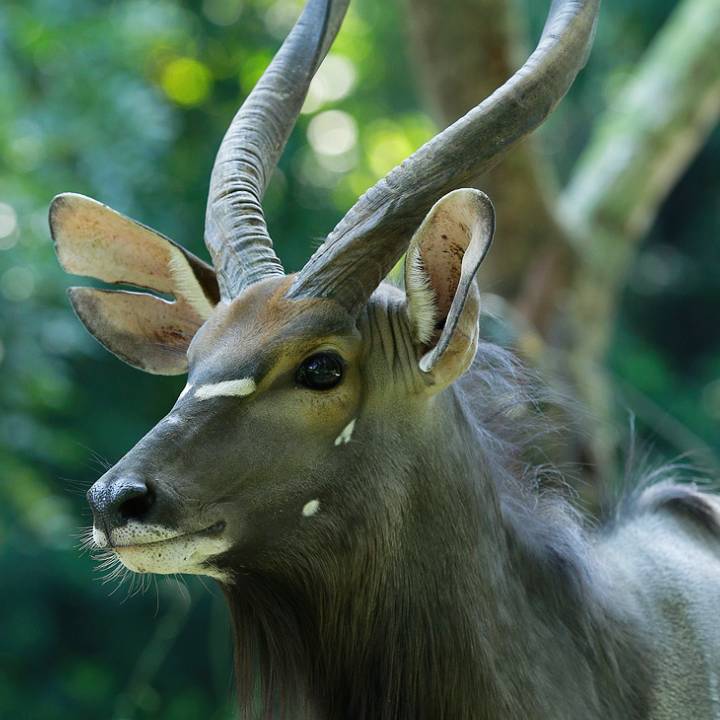
Nyala
Shy, medium-sized spiral-horned antelope from southeastern Africa, known to feed on fruit dropped by baboons and monkeys.
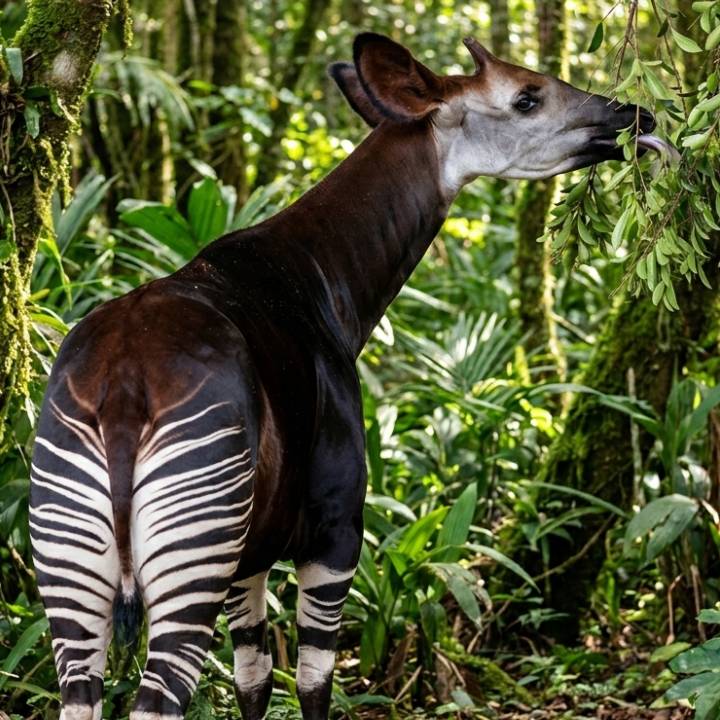
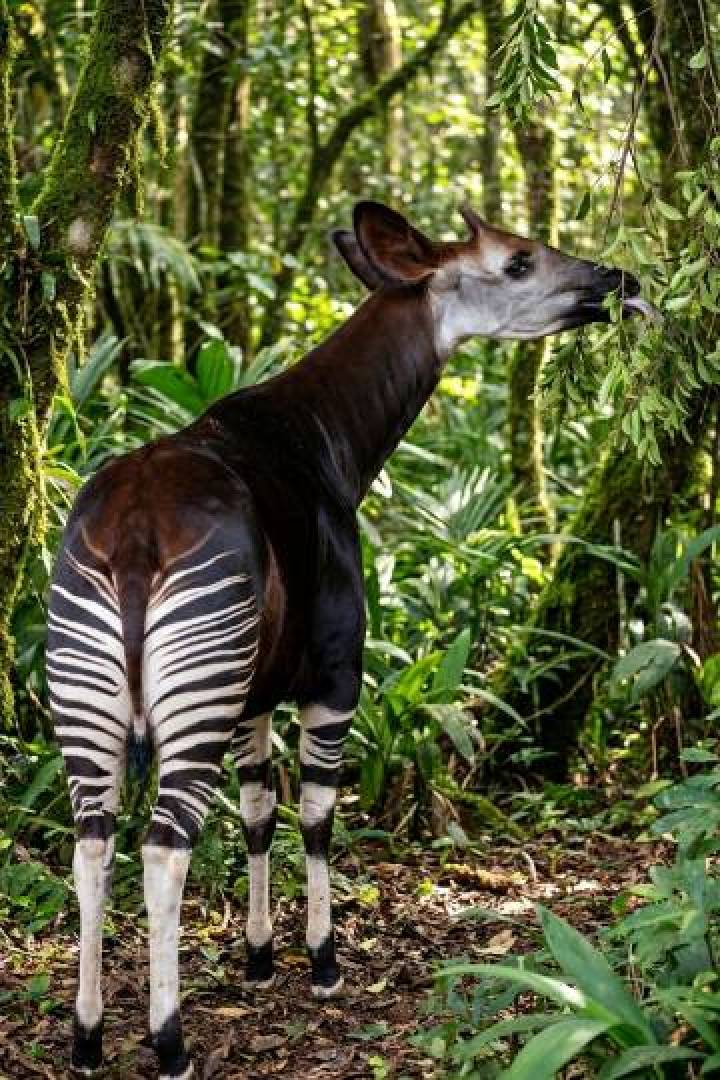
Okapi
Found only in the Democratic Republic of Congo, it is the only living relative of the giraffe, and has a long, dark tongue that can reach its eyes and ears!
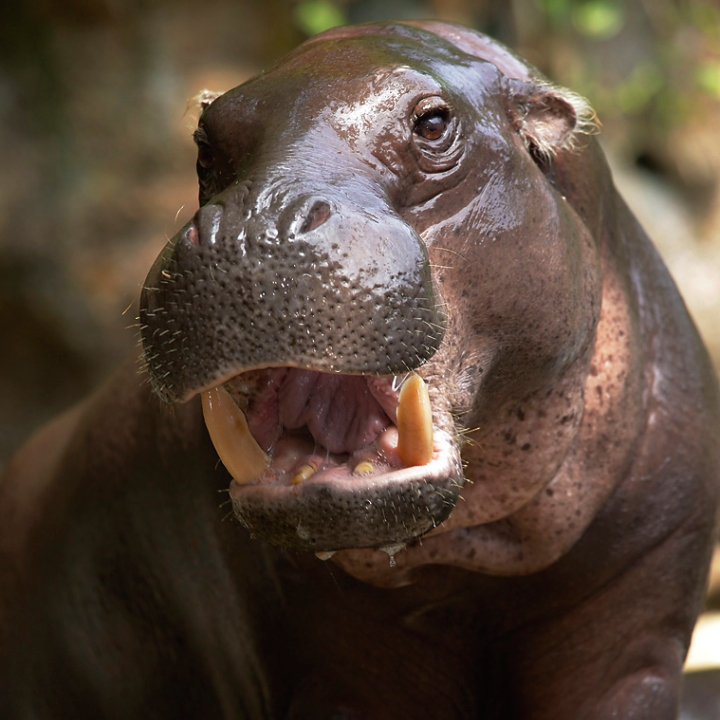
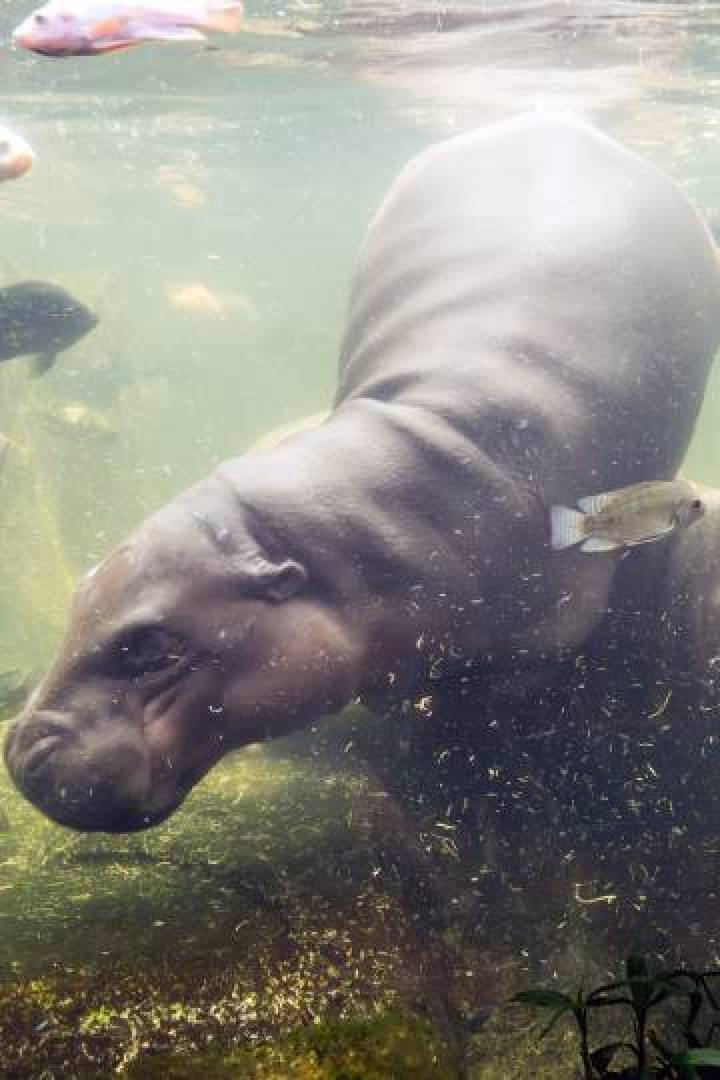
Pygmy Hippo
Endangered and solitary, they are native to West African rainforests, weighing up to 270kg - roughly a tenth the size of their more common cousins.
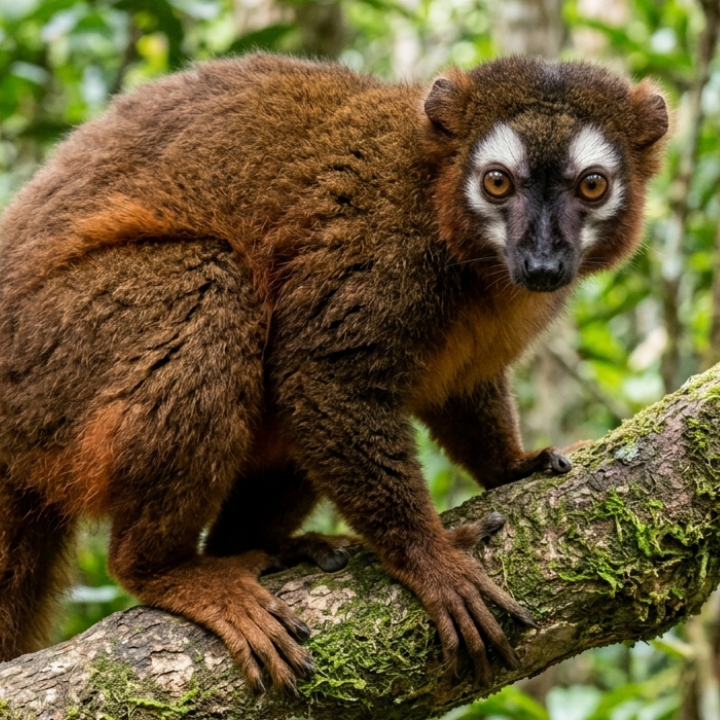
Red-bellied Lemur
Males and females are easily distinguished, as only males have a red belly while females have a white one.
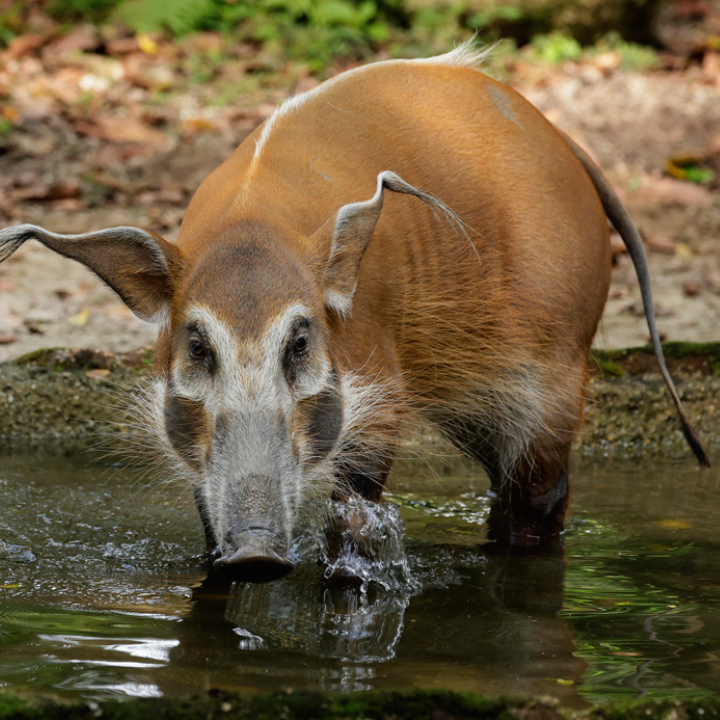
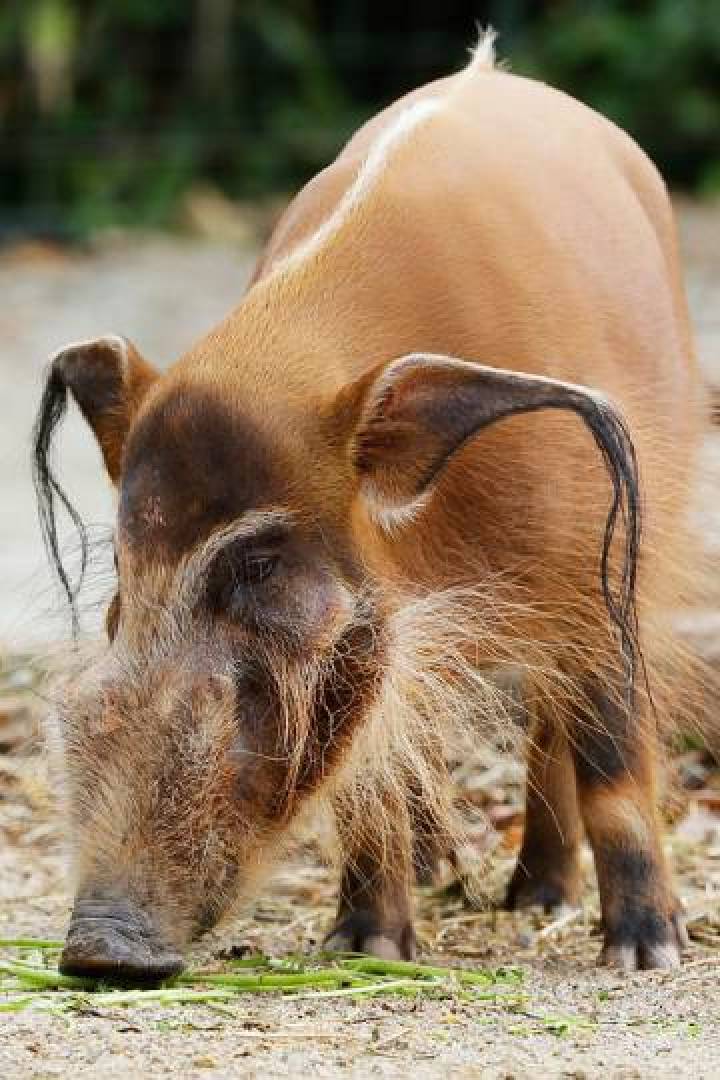
Red River Hog
Spending most of their adult life searching for food, these omnivores will consume roots, fruit, seeds, crops, grasses, nuts, insects, bird eggs, snails, reptiles, and carrion.
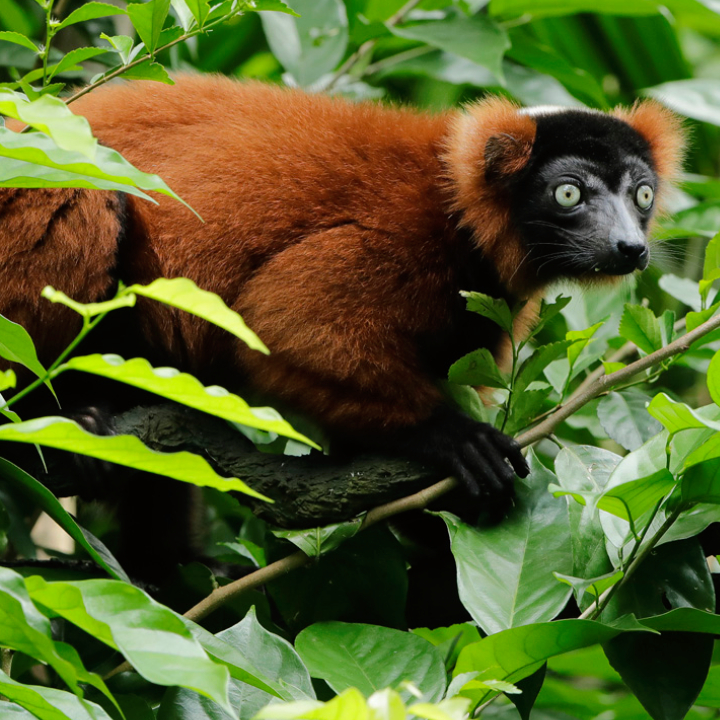
Red Ruffed Lemur
Highly social, these tree-dwelling creatures are among the loudest primates on Earth, with calls audible almost a kilometre away!
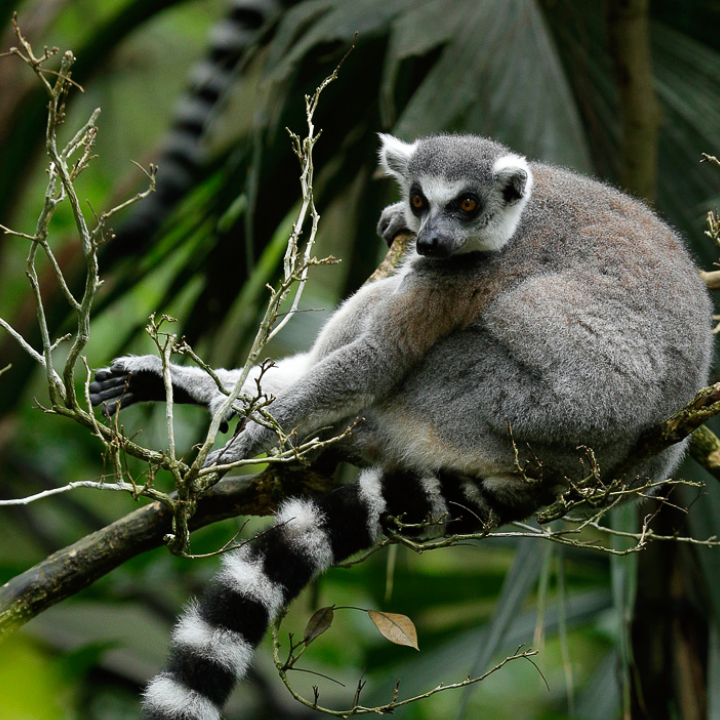
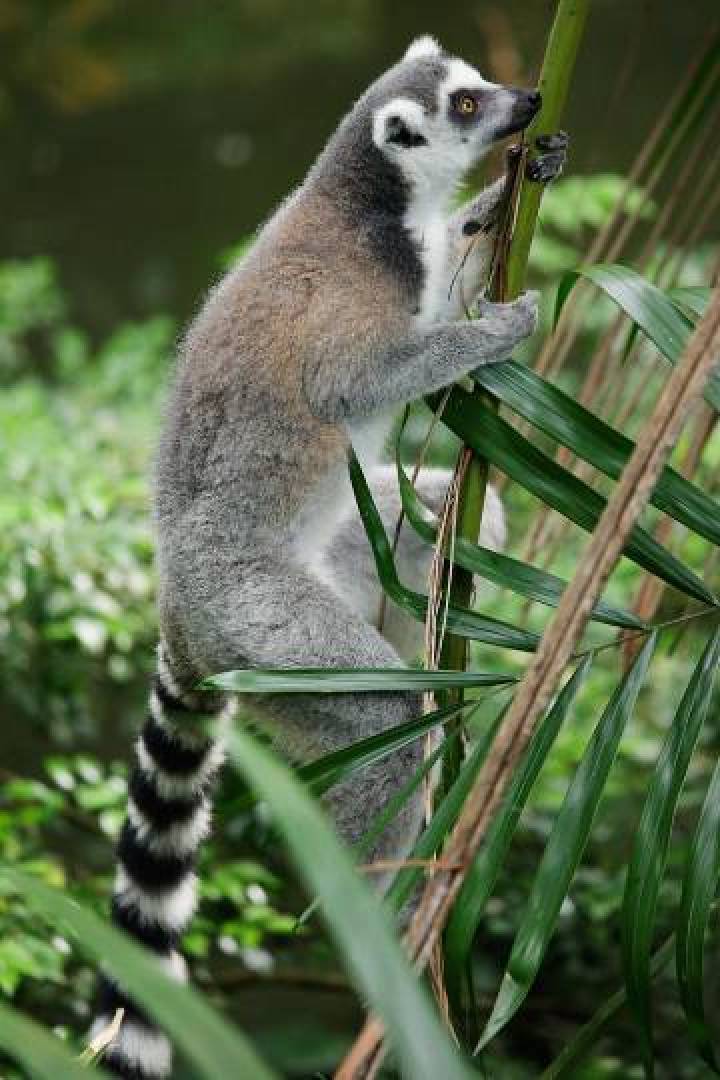
Ring-tailed Lemur
These lemurs are known to sit in a "lotus" position, exposing their white belly fur to the sun to warm up in the morning.
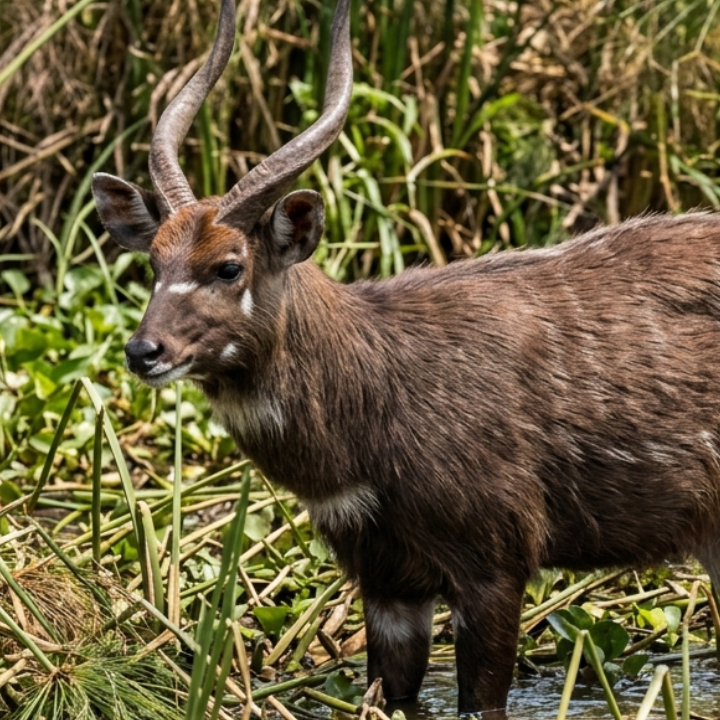
Sitatunga
Swamp-dwelling antelopes and excellent swimmers. Their elongated, wide-splayed hooves help them walk on soft terrain such as swamps and marshes.
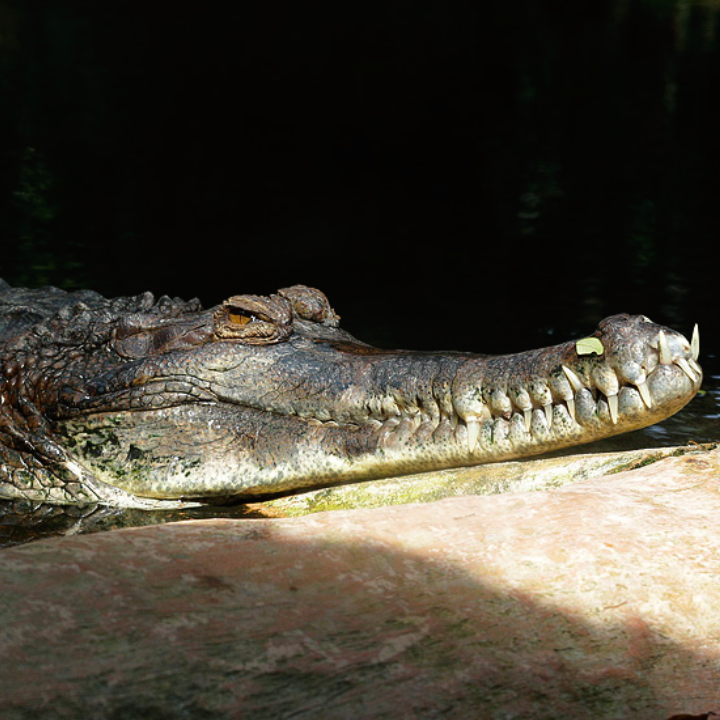
Sunda Gharial
Growing up to 5 metres long, this fish-eater may also opportunistically prey on monkeys!
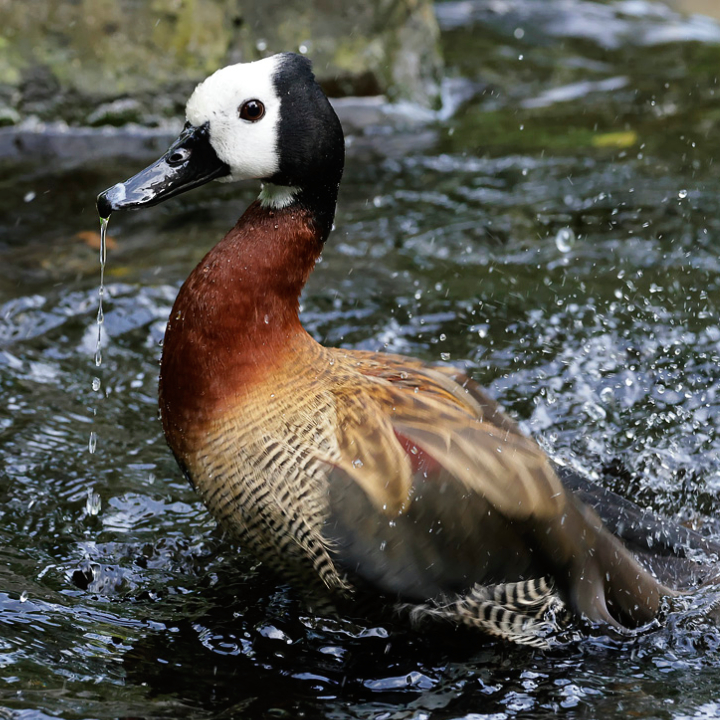
White-faced Whistling Duck
Instead of quacking, they produce a high-pitched three-note whistle and are often called tree ducks for their habit of perching in trees!
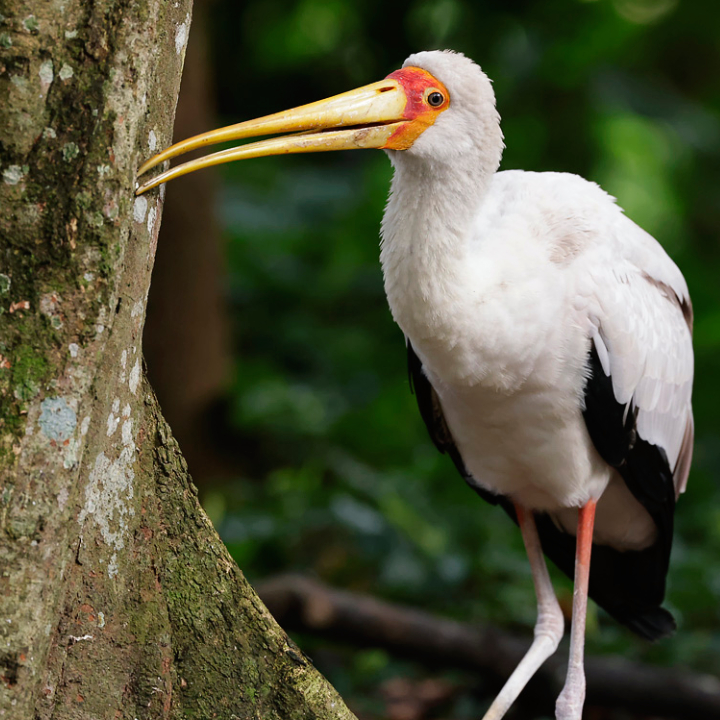
Yellow-billed Stork
Rather than relying on sight, this stork wades with its bill open, snapping shut at prey it feels out - allowing it to hunt effectively in murky waters.