LifespanUp to 20 years in the wild, and just over 30 under human care.
Quick Facts

Ring-tailed Lemurs

Women in Power
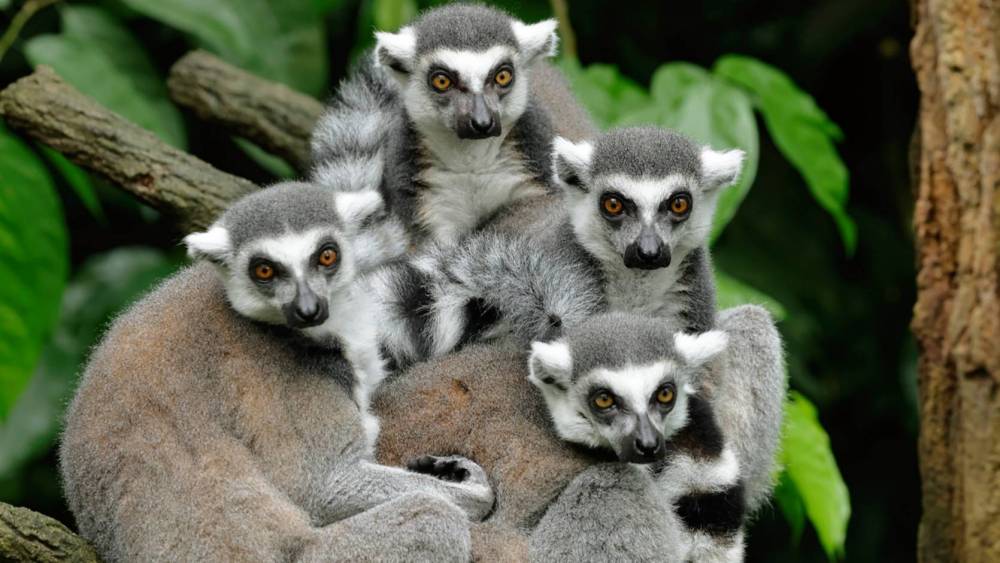
Ring-tailed lemurs live in matriarchal groups of up to 30 individuals, where females remain their whole life and dominate all males.
Social rank is established early through play-fighting, with even the lowest- ranking female holding higher status than the top-ranking male.
Life on the Ground
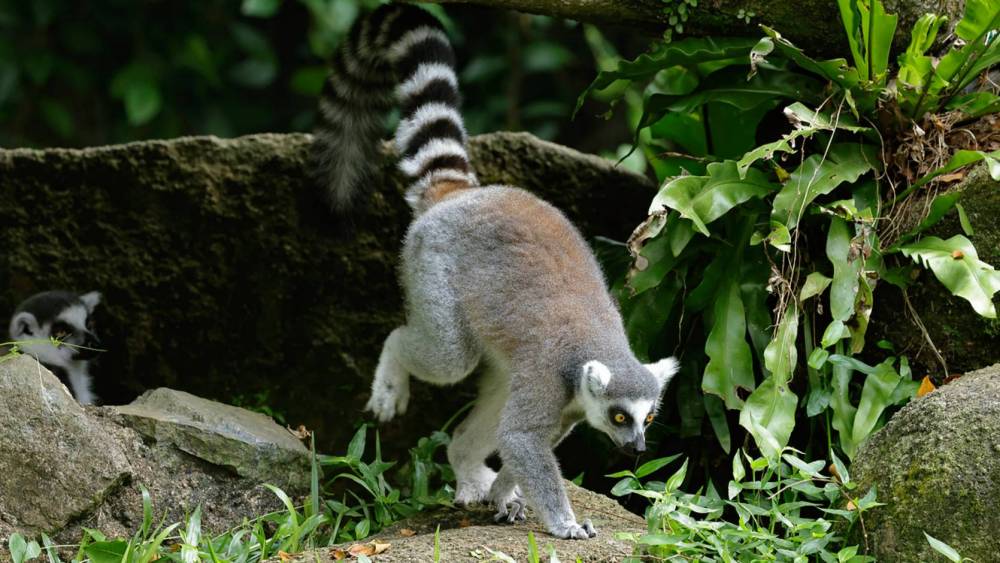
Unlike most lemurs, ring-tailed lemurs spend around 40% of their time on the ground, moving on all fours across the forest floor.
While agile in trees, they cannot grasp with their tails, relying instead on their limbs for balance and movement.
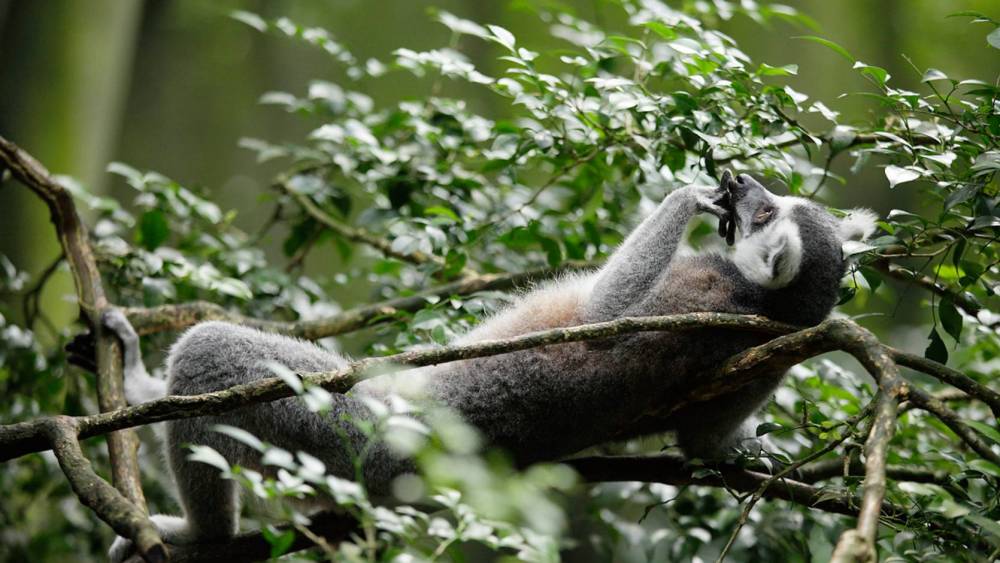
Sun Worshippers
To warm up after cool nights, ring-tailed lemurs gather in open areas to sunbathe.
Sitting upright in a “yoga-like” pose, they expose their less furry bellies to the sun, maximising heat absorption before becoming active and heading out to forage.
Together, We Protect Wildlife
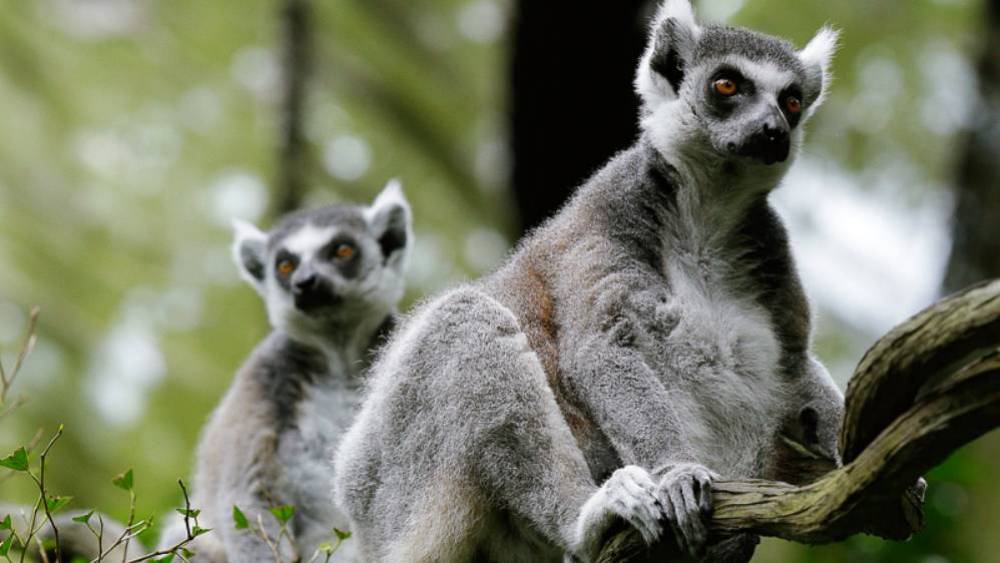
Safeguarding Species
Ring-tailed lemurs are endangered by severe habitat loss, illegal hunting for bushmeat, and the exotic pet trade.
We work with member zoos to sustain the population of ring-tailed lemurs under human care. Transfer of individuals for breeding enhances genetic diversity to maintain a healthy population.
The IUCN Status
VU
Vulnerable
At high risk of extinction in the wild

The IUCN Red List of Threatened Species
The IUCN Red List of Threatened Species is widely recognized as the most comprehensive, objective global approach for evaluating the conservation status of plant and animal species.
DD
Data Deficient
Unknown risk of extinction
LC
Least Concern
At relatively low risk of extinction
NT
Near Threatened
Likely to become vulnerable in the near future
VU
Vulnerable
At high risk of extinction in the wild
EN
Endangered
At very high risk of extinction in the wild
CR
Critically Endangered
At extremely high risk of extinction in the wild
EW
Extinct in the Wild
Survives only in captivity
EX
Extinct
No surviving individuals in the wild or in captivity