LifespanUp to 15 years under human care.
Quick Facts

Asian Small-clawed Otters
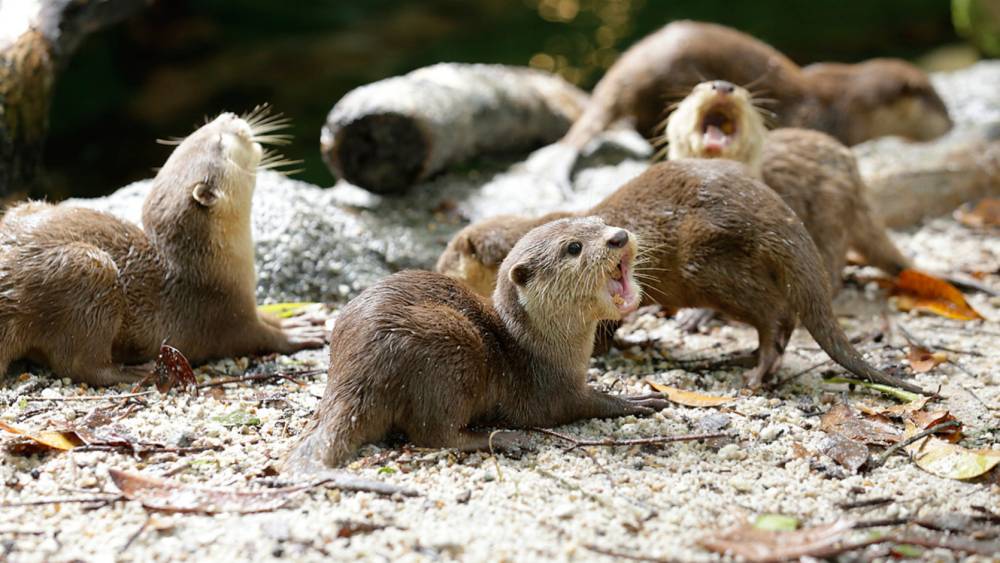

Clear Communication
Asian small-clawed otters are highly vocal, with at least twelve distinct calls used for contact, greetings, warnings and more. They also communicate through visual signals, scent, and touch, including social grooming, posturing and subtle chemical cues that help maintain group bonds.
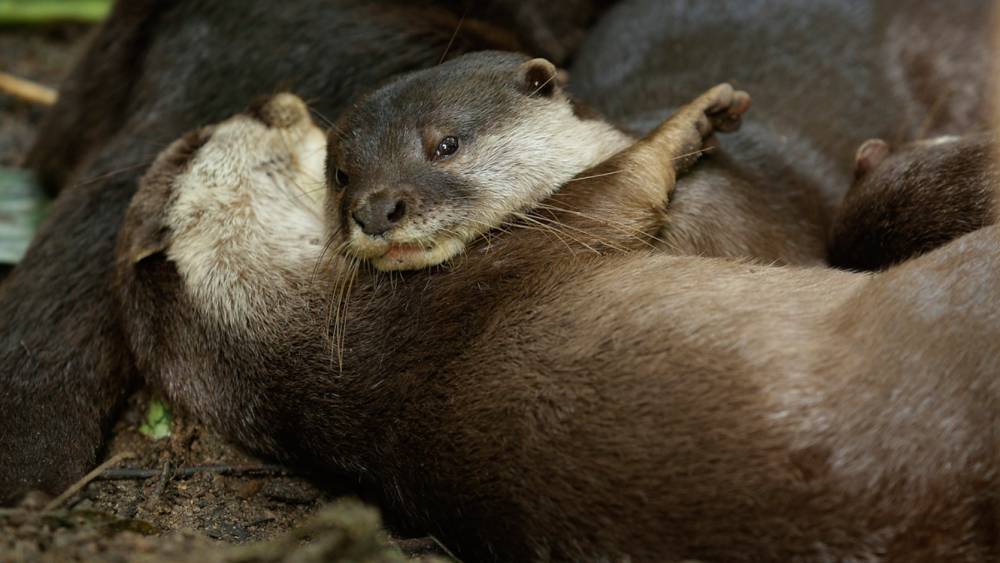
Scent Signals
Scent marking plays a key role in otter communication. Glands at the base of the tail produce a strong musky scent used to mark territory and share information about identity, sex and reproductive status. Otters often defecate or spray in communal latrines to reinforce these signals.
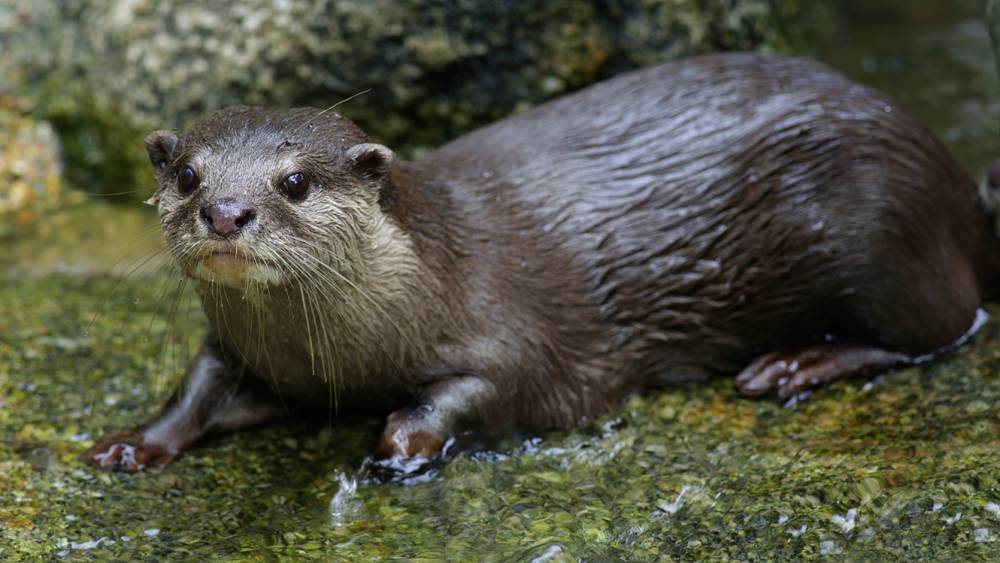
Waterproof Coats
Otters’ dense underfur and long guard hairs create a water-repellent coat that traps air for insulation, keeping them warm and dry while swimming! Because of this, regular grooming is essential to maintain these air pockets and ensure their coat remains effective in water.
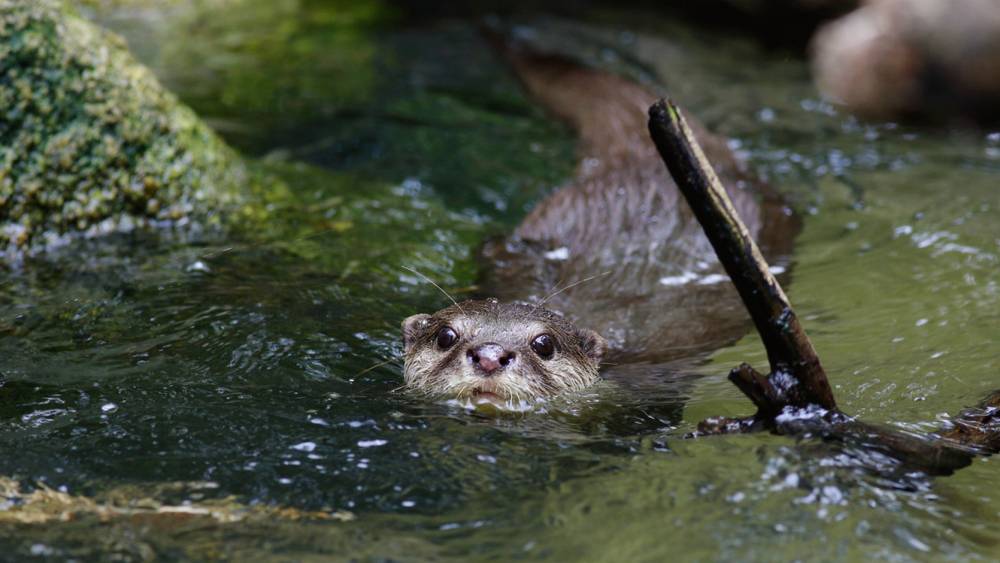
Built for Swimming
Asian small-clawed otters are especially well adapted for aquatic life. Their small ears and nostrils can close while underwater, preventing water from entering. Combined with their streamlined bodies and strong limbs, these features allow them to swim, dive and hunt with agility and ease.
Together, We Protect Wildlife
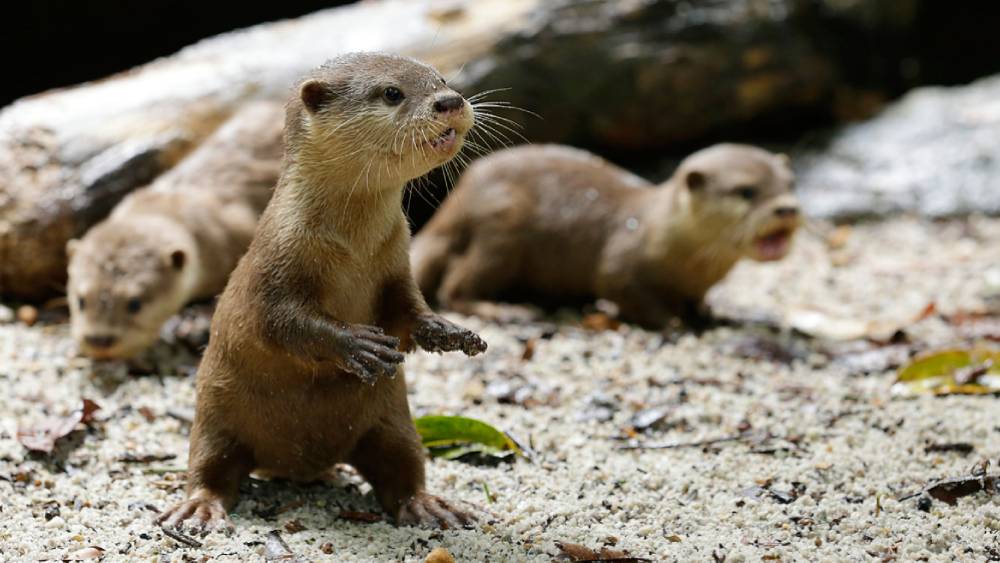
Safeguarding Species
We work with member zoos to sustain the population of Asian small-clawed otters under human care. Transfer of individuals for breeding enhances genetic diversity to maintain a healthy population.
The IUCN Status
VU
Vulnerable
At high risk of extinction in the wild

The IUCN Red List of Threatened Species
The IUCN Red List of Threatened Species is widely recognized as the most comprehensive, objective global approach for evaluating the conservation status of plant and animal species.
DD
Data Deficient
Unknown risk of extinction
LC
Least Concern
At relatively low risk of extinction
NT
Near Threatened
Likely to become vulnerable in the near future
VU
Vulnerable
At high risk of extinction in the wild
EN
Endangered
At very high risk of extinction in the wild
CR
Critically Endangered
At extremely high risk of extinction in the wild
EW
Extinct in the Wild
Survives only in captivity
EX
Extinct
No surviving individuals in the wild or in captivity