LifespanUp to 20 years in the wild, and 30 under human care
Quick Facts

Red Ruffed Lemurs

Island Specialists
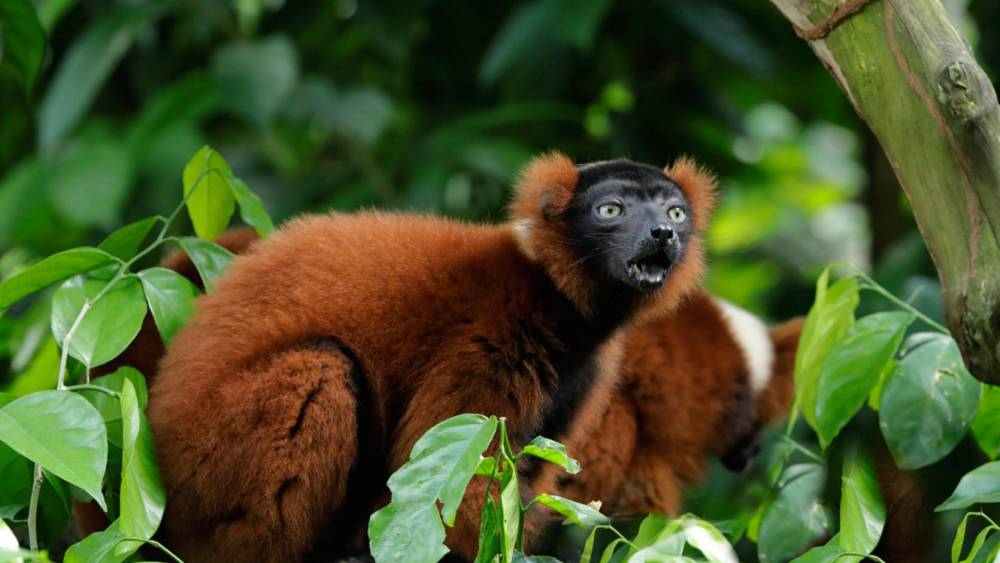
Red ruffed lemurs are found only in a small region of northeastern Madagascar.
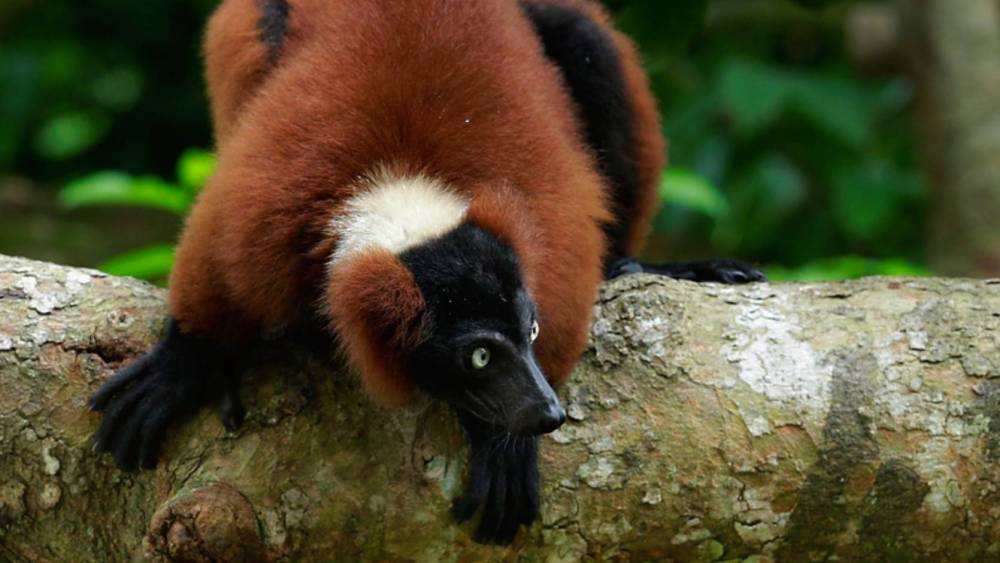
Their long, woolly fur keeps them warm in cool, wet rainforests, while their closely spaced lower teeth form a “toothcomb,” used for grooming and maintaining strong social bonds within the group.
Fruit Lovers and Pollinators
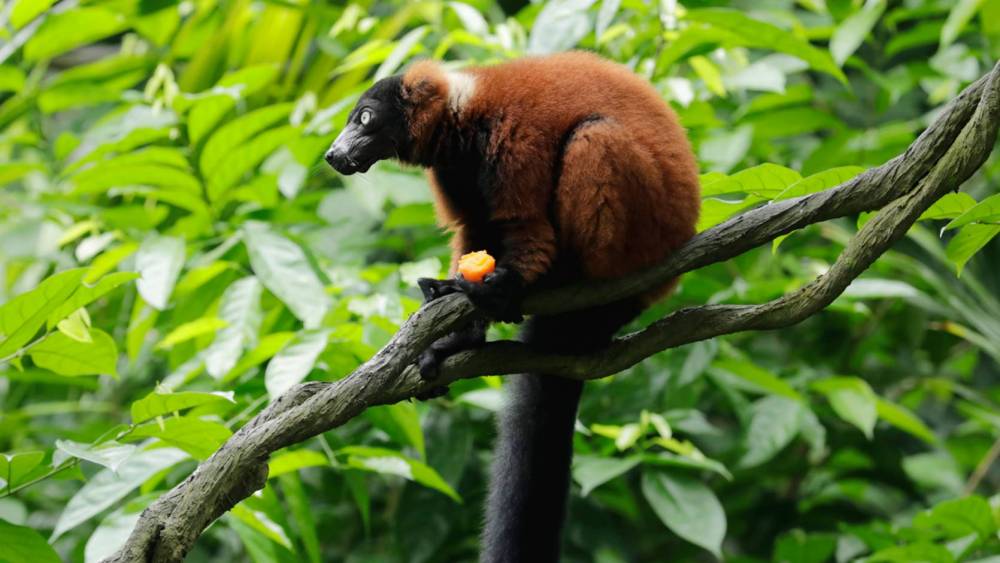
Fruit makes up most of their diet, making them the most frugivorous of all lemurs.
They also feed on nectar, carrying pollen on their furry snouts between flowers.
This makes them important pollinators, while leaves and seeds provide additional food during the dry season.
Scent and Competition
Male red ruffed lemurs use scent glands to mark their territories, a common behaviour among lemurs.
Uniquely, they also mark females during mating competition, using scent as a way to assert dominance and improve their chances of reproducing.
Together, We Protect Wildlife
Safeguarding Species
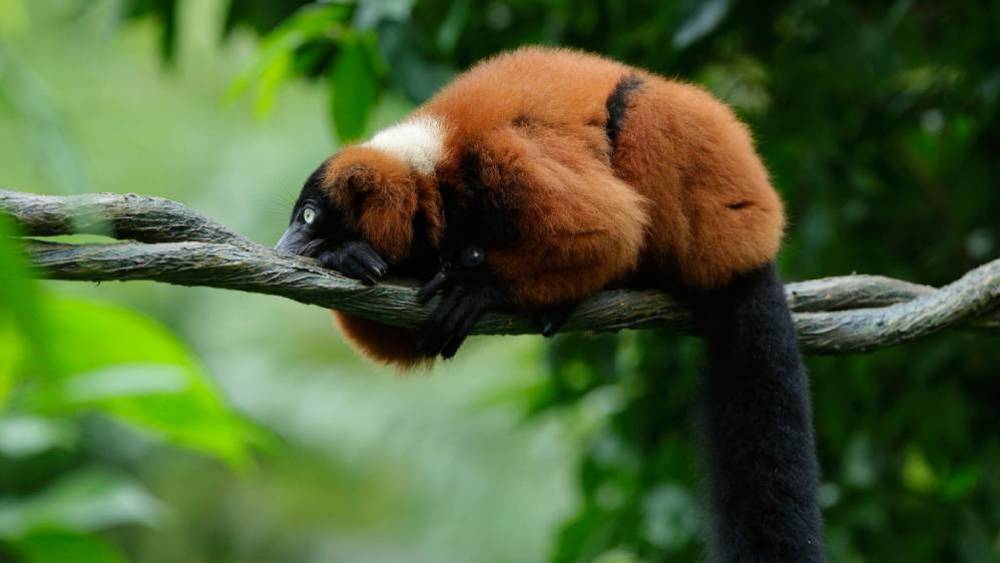
We work with member zoos to sustain the population of red ruffed lemurs under human care. Transfer of individuals for breeding enhances genetic diversity to maintain a healthy population.
The IUCN Status
CR
Critically Endangered
At extremely high risk of extinction in the wild

The IUCN Red List of Threatened Species
The IUCN Red List of Threatened Species is widely recognized as the most comprehensive, objective global approach for evaluating the conservation status of plant and animal species.
DD
Data Deficient
Unknown risk of extinction
LC
Least Concern
At relatively low risk of extinction
NT
Near Threatened
Likely to become vulnerable in the near future
VU
Vulnerable
At high risk of extinction in the wild
EN
Endangered
At very high risk of extinction in the wild
CR
Critically Endangered
At extremely high risk of extinction in the wild
EW
Extinct in the Wild
Survives only in captivity
EX
Extinct
No surviving individuals in the wild or in captivity