LifespanUp to 13 years
Quick Facts

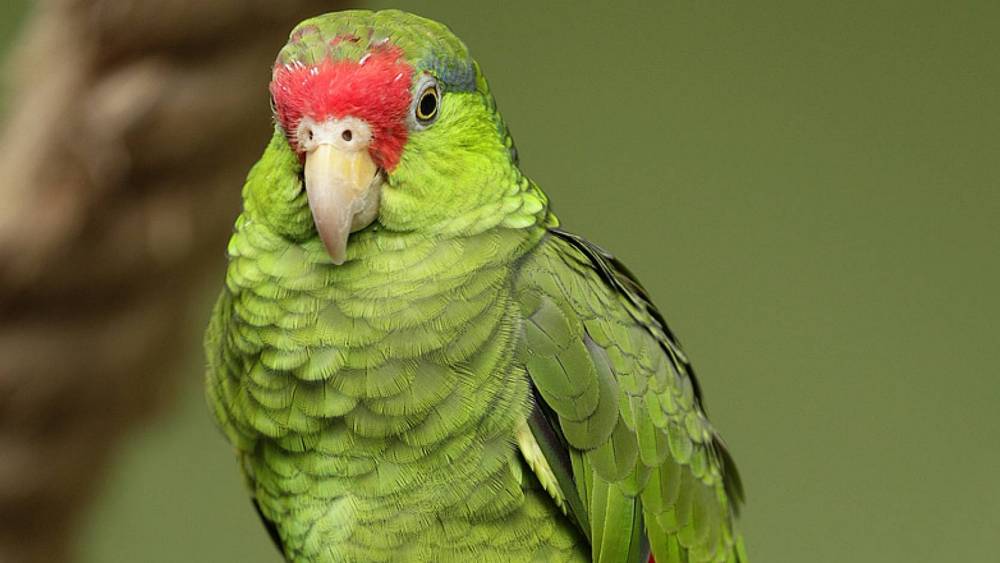
The Green-cheeked Amazon

Safety in Numbers
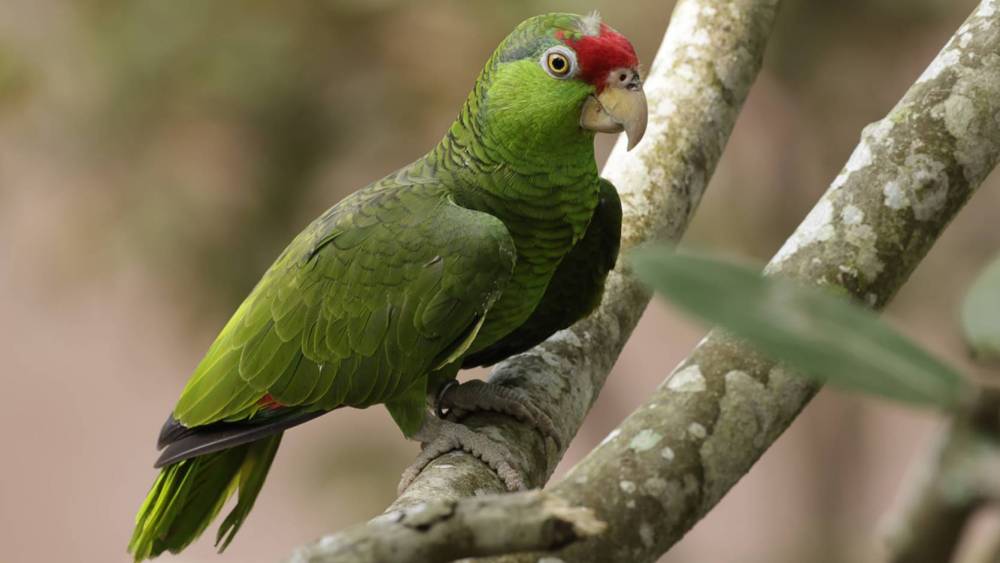
This parrot loves company. Hundreds of them gather to roost communally in a few trees, socialising in animated chatters before spending the night together.
Come morning, they disperse over a broad area to find food, flying in pairs or huge flocks comprising many family units.
Aerial Acrobatics
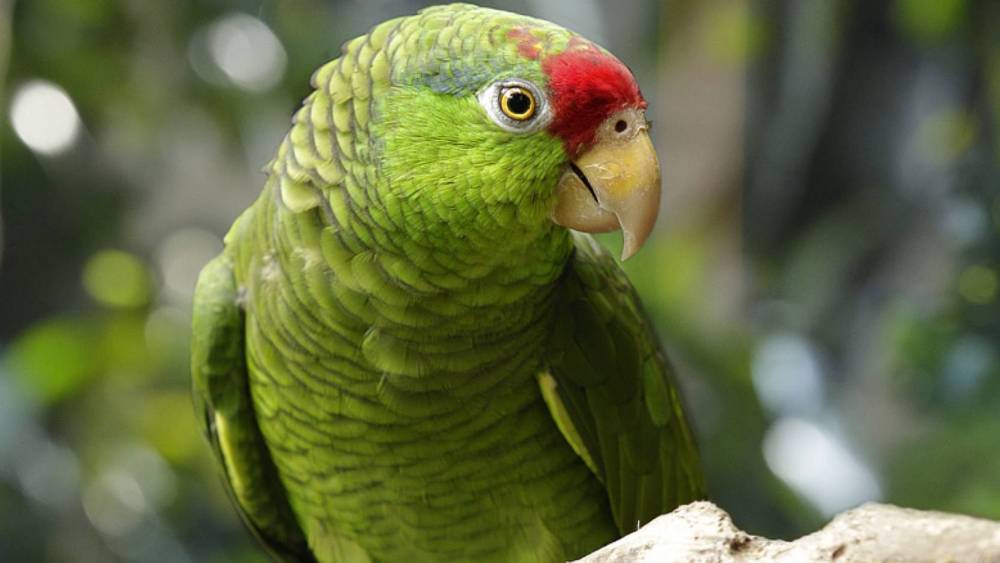
This amazon parrot knows how to have fun. Agile on the wing, it engages in friendly chases and playful nips. These antics are thought to build survival skills and strengthen pair bonds.
Fledglings frequently chase adults for handouts. The bird can achieve flight speeds of up to 43 km/h.
In the Danger Zone
Originally found in Mexico and southern Texas, this parrot has now established itself in other parts of the United States and Puerto Rico due to released or escaped individuals.
However, in its native range, the bird is endangered, threatened by habitat destruction and poaching for the pet trade as it can mimic human speech.
Together, we protect wildlife
Vital Role of Zoos
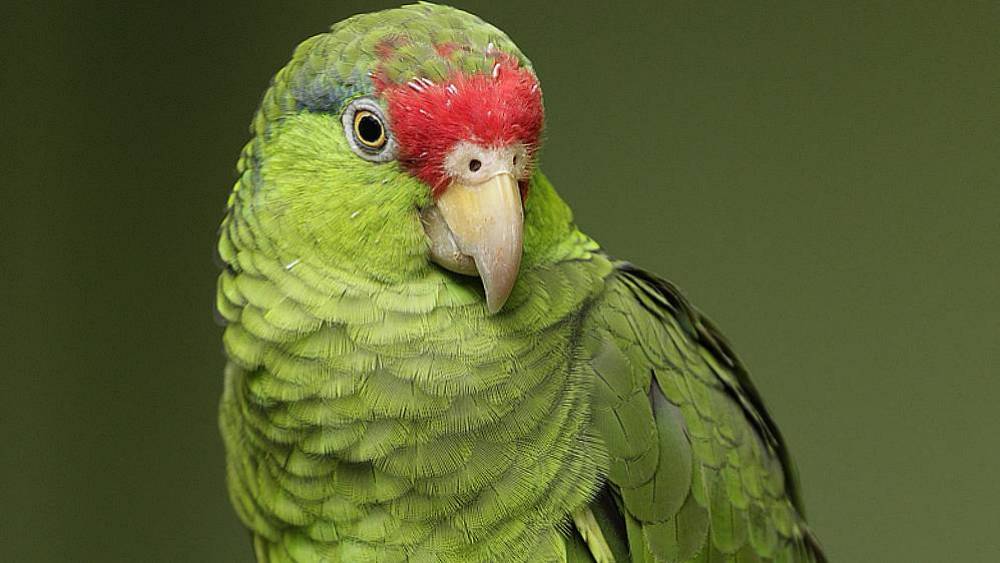
This amazon parrot is managed under the EAZA (European Association of Zoos and Aquaria) Ex-situ Programme where individuals from different zoos are matchmade to ensure genetic compatibility, effectively sustaining viable populations under human care.
Mandai is proud to be part of this global breeding programme.
The IUCN Status
EN
Endangered
At very high risk of extinction in the wild

The IUCN Red List of Threatened Species
The IUCN Red List of Threatened Species is widely recognized as the most comprehensive, objective global approach for evaluating the conservation status of plant and animal species.
DD
Data Deficient
Unknown risk of extinction
LC
Least Concern
At relatively low risk of extinction
NT
Near Threatened
Likely to become vulnerable in the near future
VU
Vulnerable
At high risk of extinction in the wild
EN
Endangered
At very high risk of extinction in the wild
CR
Critically Endangered
At extremely high risk of extinction in the wild
EW
Extinct in the Wild
Survives only in captivity
EX
Extinct
No surviving individuals in the wild or in captivity